Dr. Wright was driven to become a tenure-track professor by her passion to mentor doctoral and undergraduate students in applied psychological research. Her overarching goal is to mentor trainees to become the next generation of scholars working to close research to practice to policy gaps. Her mentorship approach prioritizes mentees’ professional development and advancement towards their long-term career goals while her lab collectively contributes to community strengths and scientific knowledge.
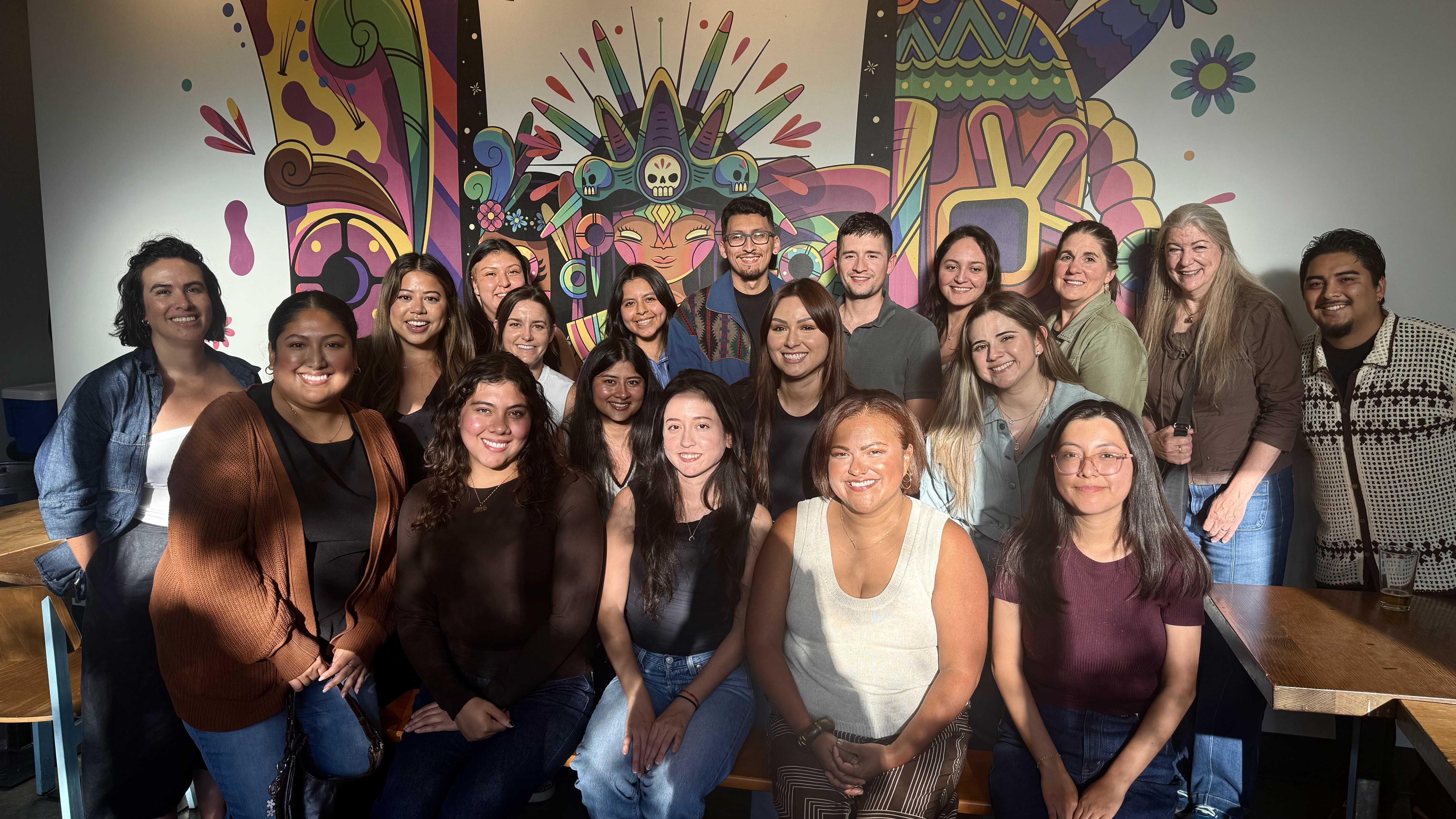
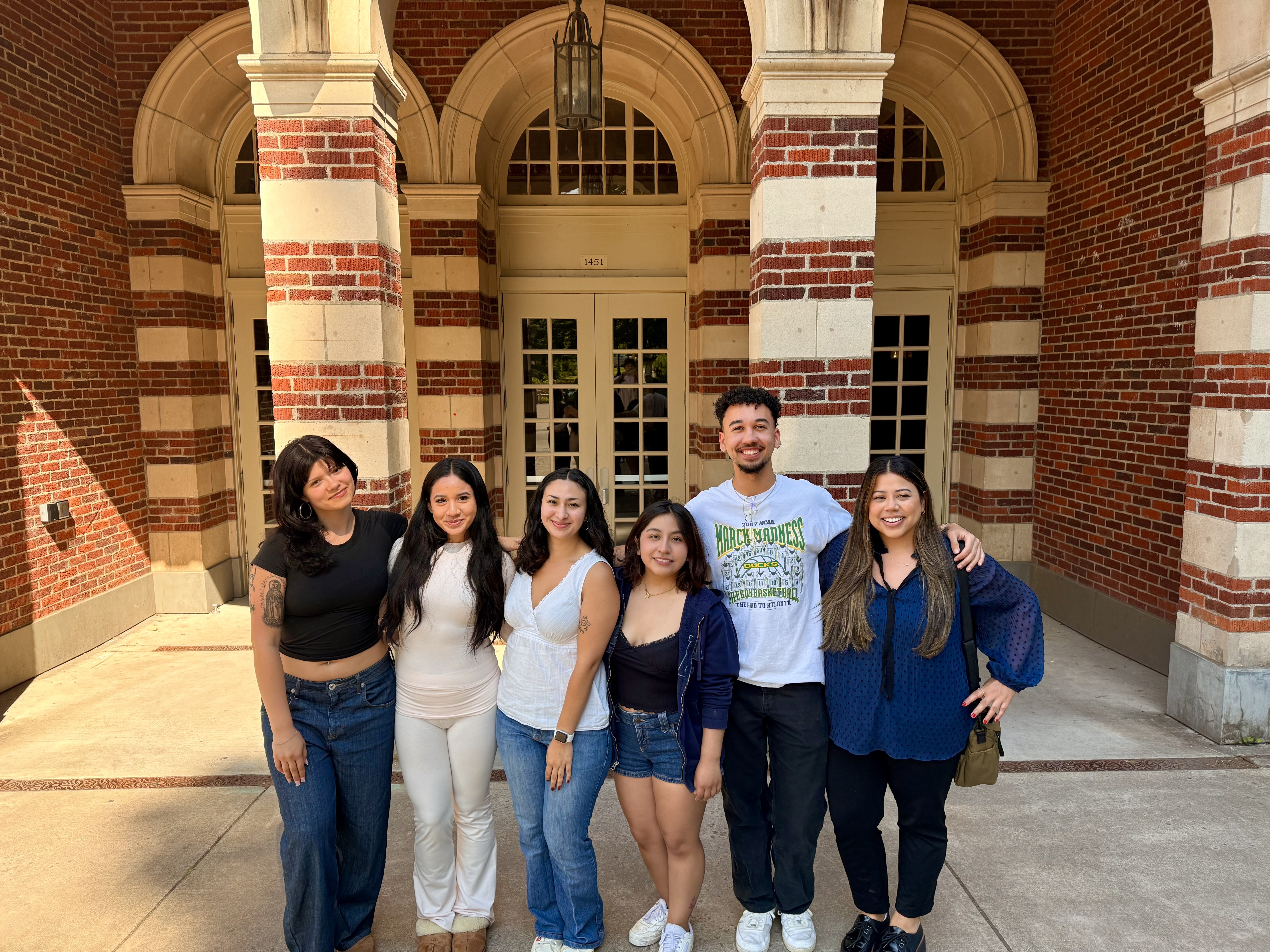
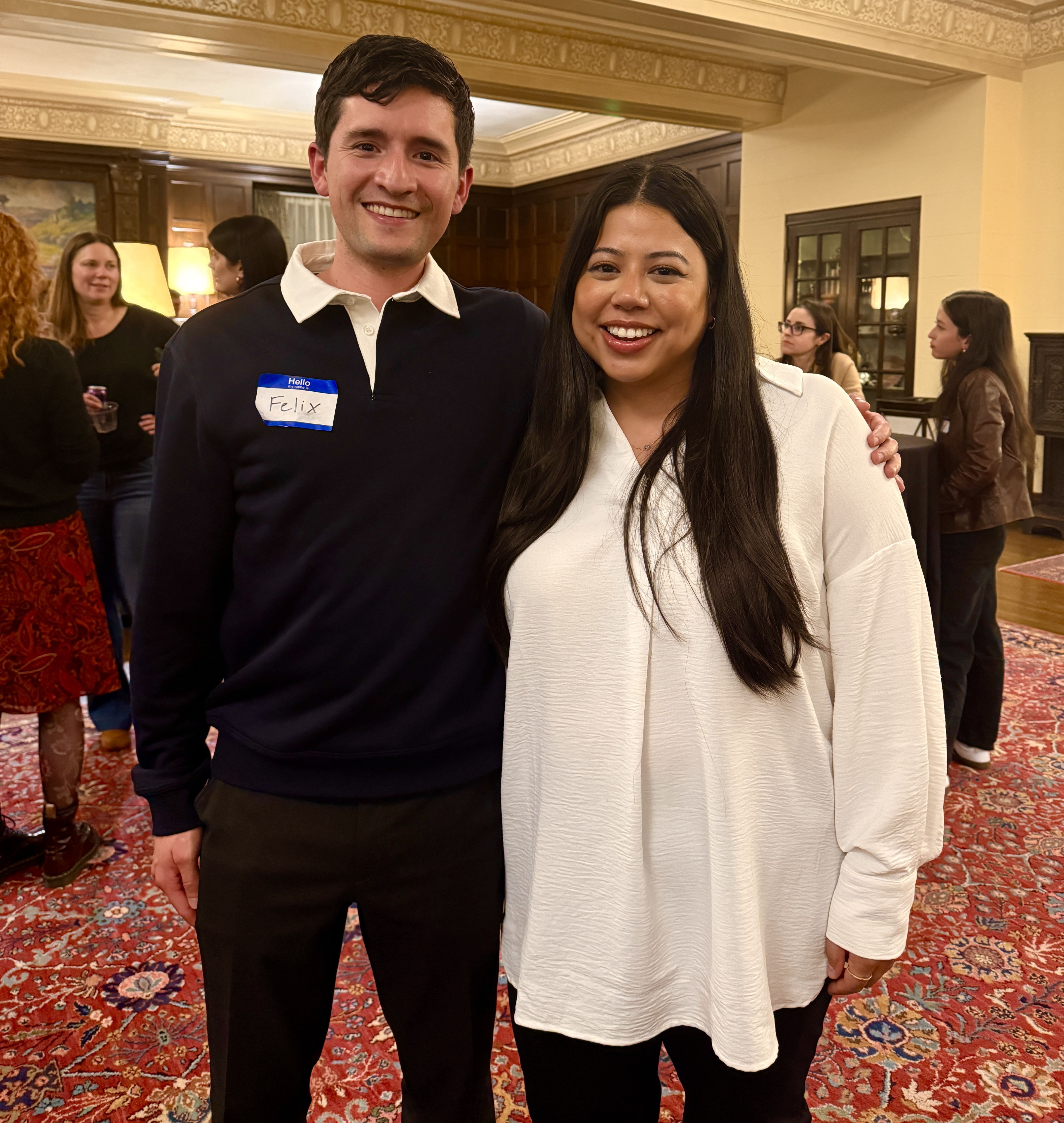
Informed by positive previous mentorship experiences, she encourages PhD and undergraduate students to practice tiered mentorship, wherein more advanced students provide mentorship to individuals in earlier stages of their academic/research careers and/or membership in the lab.
Prospective Doctoral Students
Dr. Wright will be reviewing applications for admittance in Fall 2026.
Whether it is under Dr. Wright’s mentorship or another faculty’s, Dr. Wright wants applicants to be successful in gaining entry to a Clinical Psychology PhD program. For folks applying applying to the University of Oregon’s Clinical Psychology PhD Program with an interest in having Dr. Wright serve as your primary advisor, she hopes that you will take advantage of the advice provided here.
General Resources
Here are some general resources to help you apply to Clinical Psychology PhD programs:
- Getting Into Psych Grad School by the Council of University Directors in Clinical Psychology
What Dr. Wright Seeks in a Doctoral Student
- A strong research fit with current topics/projects
- A sincere (not performative) passion to support the mental health of minoritized communities
- A strong work-ethic
- A record of independent research experience (which is typically strengthened during post-bacc positions)
- Passion, willingness and desire to step outside of the university setting to build and sustain partnerships with community-based organizations/clinics and schools
- An interest in writing peer-reviewed publications and fellowship applications, even if it feels intimidating! You will be supported by Dr. Wright and other program faculty.
- An openness to learn from faculty, community partners, and clinical supervisors
The Personal Statement = The Research Statement: Advice from Dr. Wright
One area that applicants struggle with is the Personal Statement. I remember when I wrote my first draft when I was applying to PhD programs, and my kind mentor told me that the *personal* part was a bit of a misnomer. This is actually a research statement, which should highlight independent research projects (i.e., you were the lead author) you completed. If you haven’t led any first-authored projects, I encourage you to find opportunities before applying. It does not have to be an honors thesis! You can also discuss projects you contributed to, especially if it led to any co-authored conference presentations or peer-reviewed manuscripts. .
Here is a ~5-paragraph outline of the personal statement that seems to be effective for applicants who led (i.e., first-author) or contributed to research projects (i.e., co-author, research assistant, research coordinator). This is the rough outline I used and what I advise my mentees to use. Remember, the readers likely do not know you and could be reviewing >100 applications. You want to try to anchor them to the timeline you went through to get where you are today!
- Establishing your current interests
- 1-2 personal sentences of what motivated you to pursue a career in clinical psychology
- Explicitly state your research interests
- Extra points if you add the name of the school/program you are applying to
- Describe 1 independent project you led or contributed to
- Topic sentence: Mark the time (e.g., I was a sophomore; in 2023) & what your role was
- Share the research setting/mentor
- Briefly describe major tasks you contributed to especially if you led them
- Independent project should take up the most space:
- Describe research question
- Describe methods (e.g., qualitative; surveys; daily diaries; type of analysis)
- It could be helpful to share what was difficult and how you overcame it; be careful about providing too many examples of what was difficult in any of the research projects as you want to position yourself as someone who has a strong skillset
- Describe hypothesis + results
- Describe results interpretation/implications
- Describe deliverables: poster/presentation/manuscript
- Concluding sentence that makes a fluid transition to the next paragraph – what you learned, how it shaped your career goals/research interests
- Describe 1 independent project you led or contributed to
- See #2 bullet points
- Describe 1 independent project you led or contributed to
- See #2 bullet points
- Optional short paragraph that can go anywhere between paragraphs 2-4:
- Sometimes applicants may need to add a short paragraph to help bridge research experiences or perhaps they want to highlight a unique experience they had that wasn’t necessarily research related
- It’s OK to include but keep it short and tie it back to research
- Examples: mentored minoritized high-school students to help them pursue college education, crisis support line
- Sometimes applicants may need to add a short paragraph to help bridge research experiences or perhaps they want to highlight a unique experience they had that wasn’t necessarily research related
- Concluding paragraph: Why you are at a good fit for the program/PhD advisor
- Big picture sentence about why you are an excellent PhD candidate
- Name the faculty you want to be advised by; it’s OK to put multiple but they should have some overlapping interests
- If you are equally interested in both faculty member then you should convey that even if you are forced to select one as your “first choice” in the portal
- Describe the fit between your research interests and those of the faculty
- I would encourage you to describe 1-2 original research questions/ideas based on the faculty’s recent papers; it’s OK if you are unsure if the idea/question would be 100% feasible – you just want to demonstrate your independent research thinking
 DIMENSIÓN Group